


In the evolving landscape of vascular medicine, the expectations patients place on care providers have shifted dramatically. Where once open surgery and long hospital stays were the norm, patients today seek precision, comfort, and lasting results—all without compromising their quality of life. This transformation is particularly evident in how modern vein and artery clinics deliver care. Their approach is no longer just reactive treatment but proactive, technology-driven vascular management.
Innovations that Define Today’s Vascular Care Clinics
Modern vein and artery clinics are built around efficiency, accuracy, and minimally invasive techniques. They represent a major departure from traditional hospital-based vascular surgery departments in both philosophy and delivery. A key factor is the use of advanced imaging tools that allow for real-time diagnosis and precise targeting of venous or arterial issues, often in a single visit.
In today’s clinics, patients benefit from same-day procedures with little to no downtime. Conditions like chronic venous insufficiency, varicose veins, or peripheral arterial disease are now often managed through outpatient care. This not only improves patient comfort but also significantly reduces complication rates.
Another distinguishing factor is that these clinics typically focus exclusively on vascular health. This specialization enables them to implement evidence-based protocols faster, invest in the latest treatment methods, and create more customized care pathways. As a result, patients are no longer treated by generalists—they’re under the care of vascular experts with deep, focused experience.
Why Patient Experience Is Central in Modern Vein and Artery Clinics
Clinical outcomes are no longer the sole metric of success. In modern vascular clinics, the patient experience is deeply integrated into the care model. From the moment someone walks in, they encounter shorter wait times, staff trained in vascular-specific protocols, and a clinical environment designed for procedural precision and post-treatment support.
These clinics are structured for continuity. The physician performing your diagnostic ultrasound is often the same specialist planning your procedure. This reduces communication gaps and builds trust. Post-treatment, patients are followed closely—not just for healing, but for long-term vascular wellness.
Unlike hospital settings where vascular cases compete for attention with many other specialties, these clinics offer focused attention, smoother scheduling, and more consistent follow-up. They also tend to invest in patient education, ensuring individuals understand their condition, treatment options, and what steps can be taken to prevent recurrence.
The Clinical Value of Minimally Invasive Technology
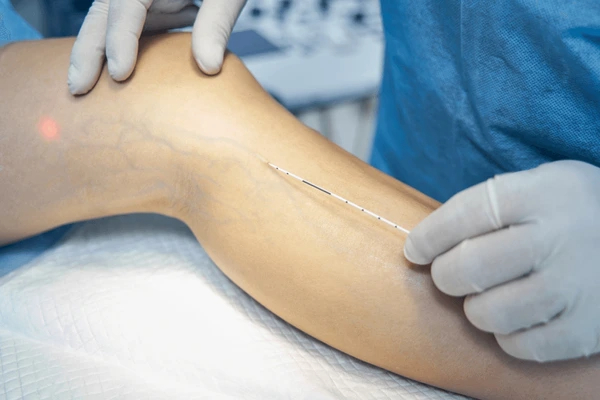
Perhaps the most significant advancement is the widespread use of endovenous and catheter-based technologies. In the past, surgical stripping was the standard for treating varicose veins; today, radiofrequency ablation, sclerotherapy, and adhesive closure techniques dominate modern care because of their superior outcomes and minimal recovery time.
For arterial conditions such as early-stage peripheral artery disease, diagnostic imaging combined with lifestyle-based interventions or minimally invasive stenting is becoming the standard. These newer tools allow for precise vascular interventions that minimize trauma, reduce infection risk, and promote faster recovery.
But it’s not just the equipment that sets modern clinics apart—it’s how they’re used. Clinics that specialize in vascular treatment understand which technologies work best for which conditions and tailor their approach accordingly. This is what turns a well-equipped clinic into a high-performing one.
Expertise and Continuity Build Confidence in Vascular Treatment
The consistency of care is a defining feature of the modern vascular clinic model. From evaluation to follow-up, you’re likely to be seen by the same physician or a tight-knit care team familiar with your case history and specific anatomy.
Board-certified specialists who stay actively involved in vascular societies and continuing education bring greater depth to the consultation process. These professionals aren’t just performing procedures—they’re guiding patients through long-term care decisions with the full picture in mind.
When selecting among the many vein and artery clinics in LA, patients should consider not just reputation, but also clinical infrastructure. The presence of in-house diagnostics, personalized treatment planning, and dedicated post-procedure care makes all the difference in results and experience.
Vascular Clinics Are Redefining Outpatient Excellence
The growing demand for specialized, minimally invasive care has pushed vascular clinics to innovate beyond traditional models. They are no longer simply procedural centers—they are strategic hubs for vascular health management.
By merging patient comfort, procedural precision, and long-term care philosophy, modern vein and artery clinics now offer something rare in healthcare: focused expertise with personalized attention. For patients, that means fewer complications, faster recovery, and more confidence in the journey toward better vascular health.