

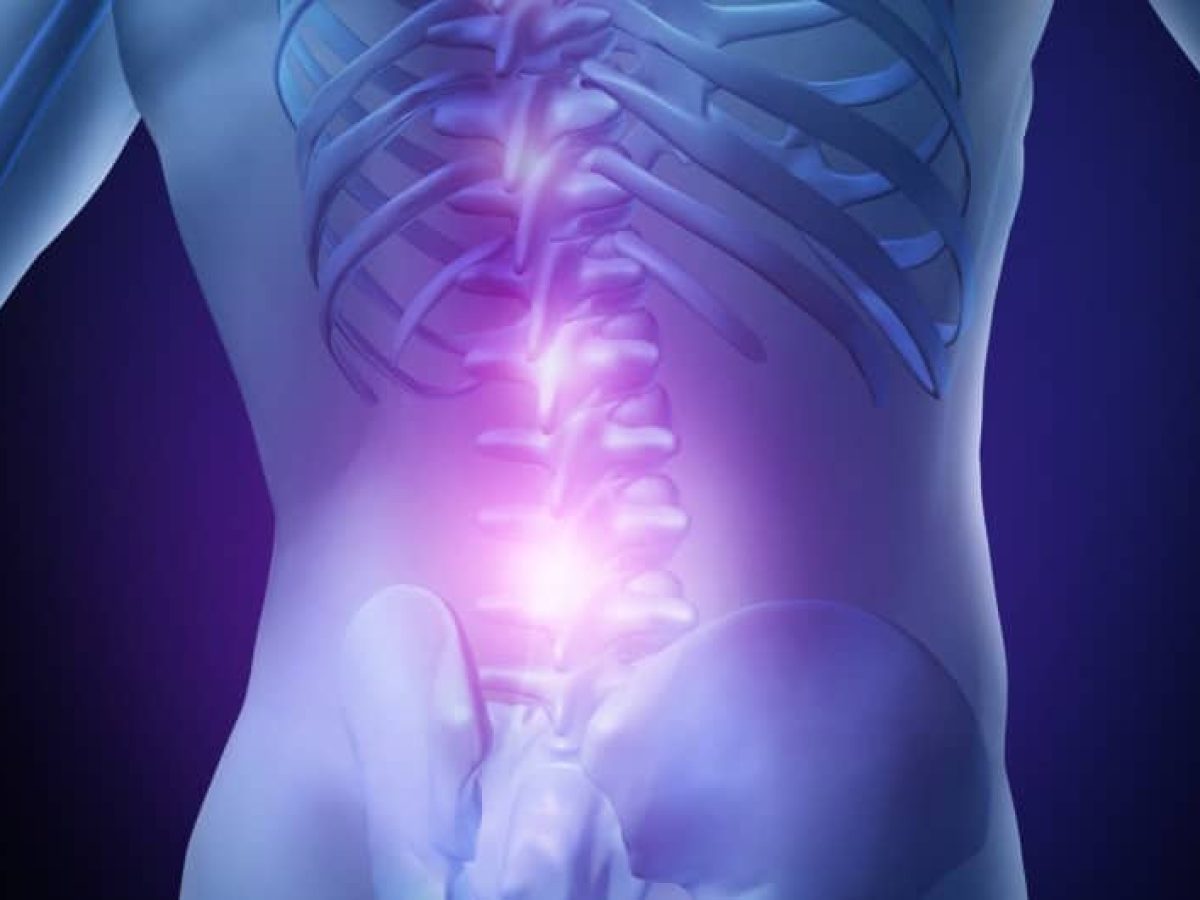
If you live on Long Island and suffer from sciatica, you’re not alone. Sciatica is a common condition that affects millions of people across the United States, and residents here have access to a wide range of treatment options tailored to their needs. Whether your discomfort stems from a herniated disc, spinal stenosis, or muscle strain, finding effective relief is essential for maintaining quality of life.
In this article, we’ll explore what sciatica is, why it occurs, and most importantly, how individuals on Long Island can find relief through both traditional and alternative approaches. From physical therapy clinics in Nassau County to holistic wellness centers in Suffolk, there are numerous avenues worth considering when seeking help for sciatic nerve pain.
Understanding Sciatica: What You Need to Know
Sciatica refers to pain that radiates along the path of the sciatic nerve — the largest nerve in the body. This nerve starts in the lower back, runs through the hips and buttocks, and down each leg. Typically, sciatica affects only one side of the body and can cause symptoms ranging from mild tingling to sharp, burning pain or even numbness and weakness.
Common causes include:
- Herniated or bulging discs
- Spinal stenosis (narrowing of the spinal canal)
- Degenerative disc disease
- Piriformis syndrome (tightening or spasms of a deep hip muscle)
- Spondylolisthesis (a vertebra slipping out of place)
While sciatica can sometimes resolve on its own, persistent or severe symptoms often require professional intervention. That’s where targeted care comes into play — especially if you’re looking for sciatica treatment long island , where healthcare providers offer specialized services for this condition.
Non-Surgical Treatment Approaches on Long Island
For many, non-invasive therapies provide significant relief without the need for surgery. Long Island has a robust healthcare network that includes chiropractors, physical therapists, pain management specialists, and integrative medicine practitioners who all treat sciatica regularly.
Physical Therapy
One of the most effective first-line treatments is physical therapy. Therapists work with patients to strengthen core muscles, improve flexibility, and correct posture, which can reduce pressure on the sciatic nerve. Many clinics throughout Long Island offer personalized rehabilitation programs designed specifically for sciatica sufferers.
Chiropractic Care
Chiropractors use spinal adjustments to realign the spine and alleviate pressure on the affected nerve. This method is particularly popular among those seeking natural remedies for sciatic pain. Several chiropractic centers in areas like Huntington, Garden City, and Babylon specialize in treating nerve-related conditions.
Pain Management Specialists
If over-the-counter medications aren’t enough, pain management doctors can prescribe stronger anti-inflammatory drugs, muscle relaxants, or even recommend steroid injections to reduce inflammation around the nerve root. These treatments are often used in conjunction with other therapies for optimal results.
Alternative and Holistic Therapies
Acupuncture, massage therapy, and yoga are also widely available on Long Island and can complement more conventional treatments. Acupuncture, in particular, has been shown in studies to help relieve nerve pain by stimulating the body’s natural healing processes.
When Surgery Might Be Necessary
While most cases of sciatica improve within a few weeks or months, some may require surgical intervention if conservative treatments fail. Long Island is home to several top-rated hospitals and spine surgeons who specialize in minimally invasive procedures such as microdiscectomy or laminectomy.
These surgeries aim to remove the source of nerve compression — whether it’s a herniated disc fragment or bone spur — and are generally considered safe and effective when performed by experienced professionals. It’s important to consult with a specialist to determine whether surgery is the right course of action based on the severity of your condition and imaging results like MRI scans.
Finding the Right Provider for Sciatica Relief
When searching for sciatica treatment on Long Island , location and provider expertise are key factors. Here are a few tips to help guide your search:
- Ask for Referrals : Talk to your primary care physician or friends and family who may have had similar experiences.
- Check Reviews : Online platforms like Google, Healthgrades, and Zocdoc offer insights into patient satisfaction and clinical outcomes.
- Consider Insurance Coverage : Make sure the provider accepts your insurance plan or offers flexible payment options.
- Look for Specialized Clinics : Some facilities focus exclusively on spine health or musculoskeletal conditions, which can be beneficial for targeted care.
Many clinics now offer telehealth consultations, making it easier than ever to get an initial assessment before committing to in-person visits.
Lifestyle Adjustments to Support Recovery
Beyond medical treatments, making certain lifestyle changes can significantly impact recovery and prevent future flare-ups. Maintaining a healthy weight, practicing good posture, and engaging in low-impact exercises like walking or swimming can all support spinal health.
Additionally, ergonomic modifications at work — such as using a supportive chair or standing desk — can reduce the risk of aggravating the sciatic nerve. Staying active and avoiding prolonged sitting are also crucial components of long-term symptom management.
Conclusion: Taking Control of Your Sciatica Journey
Living with sciatic nerve pain doesn’t have to be a daily struggle. With the variety of resources available, individuals on Long Island have access to high-quality care that can make a real difference in managing and overcoming sciatica. Whether through physical therapy, chiropractic adjustments, pain management, or surgical solutions, there are multiple pathways to relief.
If you’re experiencing persistent or worsening symptoms, don’t hesitate to reach out to a local specialist who can help you navigate your treatment options. The goal is not just to manage pain but to restore mobility, improve function, and enhance overall well-being — something every resident deserves.
By exploring the full spectrum of sciatica treatment on Long Island , you can take proactive steps toward a healthier, pain-free life.