

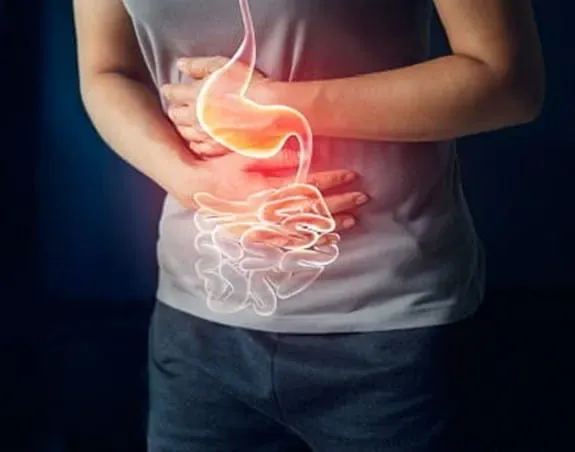
Helicobacter pylori (H. pylori) is a type of bacteria that infects the stomach lining and is a leading cause of various gastric diseases. It is one of the most common bacterial infections worldwide, affecting nearly half of the global population. H. pylori spreads through contaminated food, water, and close contact with an infected person. While many people with H. pylori may not experience symptoms, in some cases, it leads to serious gastrointestinal conditions such as gastritis, peptic ulcers, and even stomach cancer. Understanding the role of this bacterium in gastric diseases is crucial for early detection, prevention, and treatment.
What is H. Pylori?
pylori is a spiral-shaped bacterium that thrives in the acidic environment of the stomach. It has a unique ability to survive in harsh conditions by producing an enzyme called urease, which neutralizes stomach acid and allows it to colonize the stomach lining. The infection is usually acquired in childhood and can persist for years if left untreated. Transmission commonly occurs through contaminated food, water, and direct contact with saliva or other bodily fluids of infected individuals.
How H. Pylori Affects the Stomach
Once H. pylori enters the stomach, it damages the protective lining by releasing toxins and triggering an immune response. The bacteria weaken the stomach’s defense mechanism, leading to chronic inflammation and irritation. This process creates an environment that makes the stomach vulnerable to acid damage, increasing the risk of developing ulcers and other gastrointestinal problems. If you experience persistent digestive issues, seeking help from a stomach specialist can help diagnose and manage the condition effectively.
Gastric Diseases Linked to H. Pylori
Gastritis
pylori is one of the primary causes of gastritis, which is inflammation of the stomach lining. This condition can cause symptoms such as stomach pain, bloating, nausea, and indigestion. Chronic gastritis, if left untreated, can lead to more severe complications, including ulcers and stomach cancer.
Peptic Ulcers
Peptic ulcers are open sores that develop on the stomach or upper small intestine lining due to prolonged exposure to stomach acid. H. pylori weakens the protective mucus lining, making the stomach more susceptible to acid damage. Symptoms of peptic ulcers include burning stomach pain, nausea, loss of appetite, and, in severe cases, internal bleeding.
Gastric Cancer
Long-term H. pylori infection significantly increases the risk of developing stomach cancer. The bacteria promote chronic inflammation, which can lead to genetic mutations and abnormal cell growth. While not all infected individuals develop cancer, those with persistent inflammation and other risk factors, such as smoking and poor diet, are at higher risk.
Other Digestive Issues
pylori infection has also been linked to acid reflux, indigestion, and bloating. While these conditions may not always be directly caused by the bacteria, the inflammation and damage it causes can contribute to various digestive problems.
Symptoms of H. Pylori Infection
Many people infected with H. pylori do not show symptoms, but those who do may experience:
- Stomach pain, especially when the stomach is empty
- Nausea and bloating
- Frequent burping
- Loss of appetite
- Unexplained weight loss
- Dark or bloody stools (in severe cases)
If these symptoms persist, medical attention should be sought to prevent further complications.
Diagnosis of H. Pylori Infection
Doctors use various tests to detect H. pylori infection, including:
- Breath Test: Measures carbon dioxide levels after consuming a urea-based solution.
- Stool Antigen Test: Identifies the presence of H. pylori proteins in stool samples.
- Endoscopy with Biopsy: A small tissue sample is taken from the stomach lining for detailed examination.
- Early diagnosis is essential for timely treatment and prevention of complications.
Treatment Options
Antibiotic Therapy
pylori infections are treated with a combination of antibiotics to eliminate the bacteria. The most common approach is triple therapy, which includes two antibiotics and a proton pump inhibitor (PPI). However, due to increasing antibiotic resistance, quadruple therapy, which adds a bismuth-containing medication, is often used. If you’re experiencing persistent digestive issues, consulting the best gastroenterologist in Karachi can help ensure accurate diagnosis and effective treatment.
Proton Pump Inhibitors (PPIs)
PPIs help reduce stomach acid production, allowing the stomach lining to heal. These medications are often prescribed alongside antibiotics to improve treatment effectiveness.
Lifestyle and Dietary Adjustments
While medication is necessary to eliminate the infection, certain lifestyle changes can aid in recovery:
- Avoid spicy and acidic foods that irritate the stomach.
- Consume probiotics to restore gut health.
- Maintain proper hygiene to prevent reinfection.
Prevention Strategies
Preventing H. pylori infection involves good hygiene practices, including:
- Washing hands before eating and after using the restroom.
- Drinking clean, filtered water.
- Avoiding undercooked or contaminated food.
- Practicing good oral hygiene and avoiding sharing utensils.
Conclusion
pylori is a widespread bacterial infection that plays a significant role in various gastric diseases, including gastritis, ulcers, and stomach cancer. While many infected individuals remain asymptomatic, those experiencing persistent digestive issues should seek medical evaluation. Early diagnosis and appropriate treatment can prevent serious complications. By maintaining good hygiene, consuming safe food and water, and seeking timely medical care, individuals can reduce their risk of infection and protect their digestive health.